
The Difference Between “AI Follow-Ups” and Thoughtful Follow-Ups
Key Takeaways
- AI didn’t create lazy follow-ups; it just scales them. The problem has always been a lack of context, not a lack of writing ability.
- Specificity is what makes a follow-up feel human. A single reference to a shared moment, conversation, or next step changes everything.
- Memory is the real bottleneck, not writing. Notes, tags, and reminders do more for your follow-up strategy than any copywriting technique.
- AI works best as a drafting assistant, not a decision-maker. It should help you say something, not decide what to say or when to say it.
- Timing is as important as wording. Setting reminders at the moment of connection removes the guesswork later.
- The goal isn’t more follow-ups; it’s better ones. AI’s real value is helping you show up consistently, with less effort, without sacrificing relevance.
AI can write a follow-up email in seconds.
But speed alone doesn’t make a follow-up good.
If you’ve ever received a message that says, “Just checking in!” or “Following up on my last email” with no other context, you already know the problem. These messages aren’t offensive. They’re just empty. They don’t remind you who the sender is, why you connected, or why you should care right now.
AI hasn’t created this problem; it has simply made it easier to repeat it at scale.
The real difference between “AI follow-ups” and thoughtful follow-ups isn’t who writes the message. It’s whether the message is rooted in memory, timing, and intent.
Why Most Follow-Ups Feel Forgettable
Most follow-ups fail for the same reason most networking efforts fail: lack of context.
When people struggle to follow up, it’s rarely because they don’t want to. It’s because they don’t remember enough to do it well.
They can’t quite recall:
- Where they met the person
- What they discussed
- What the next step was supposed to be
- How long it’s been
Without that information, the safest option feels like a vague message, something neutral that won’t offend or overstep. Unfortunately, that’s also what makes it ineffective.
Automation Without Memory Is Just Noise
When AI is introduced without context, it accelerates the wrong behavior.
Instead of writing one vague follow-up, people can now write ten. The messages are faster, cleaner, and more polished, but still disconnected from meaning.
Recipients feel this immediately.
A follow-up doesn’t need to be long. It needs to be specific. Without specificity, it doesn’t matter how well-written it is.
Thoughtful Follow-Ups Are Anchored in Something Real
A thoughtful follow-up references a shared moment:
- A conversation
- A meeting
- A mutual interest
- A planned next step
Even a single line of specificity changes everything:
- “You mentioned your product launch was coming up this month. How did it go?”
- “I’ve been thinking about your comment on hiring challenges and wanted to check in.”
- “We talked about reconnecting after your conference. Hope it went well.”
These messages feel human because they are rooted in memory.
Memory Is the Hard Part, Not Writing
Most people assume the hard part of follow-ups is wording. In reality, the hard part is remembering what to say. Writing becomes easy when you know:
- Why you’re reaching out
- What you’re responding to
- Why now makes sense
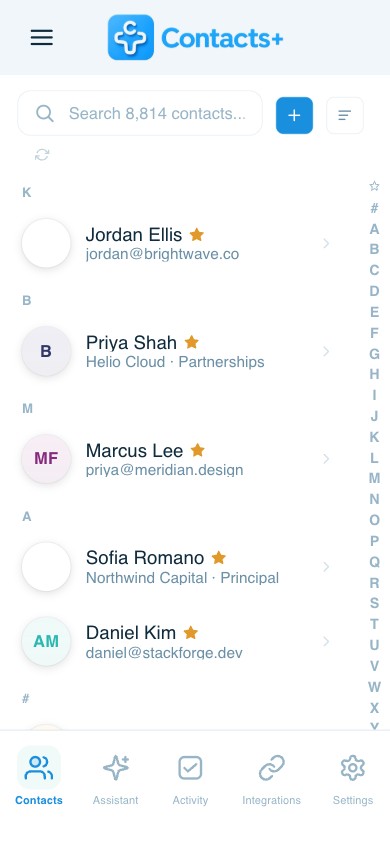
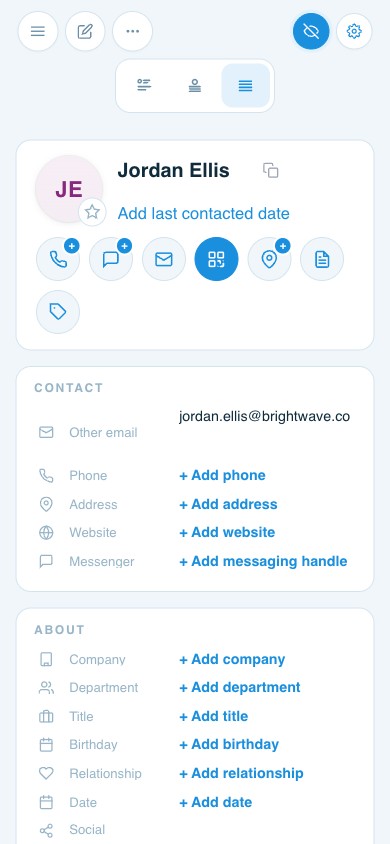
This is where notes, tags, and reminders matter more than copywriting skills.
A short note like the following is more powerful than any perfectly phrased email:
- “Interested in partnership after Q2.”
- “Prefers async communication.”
- “Switching roles soon.”
Where AI Actually Helps
AI works best when it’s given context to work with. When an AI composer can see things like notes from previous conversations, tags that explain the relationship, or timing cues from reminders, it can help transform memory into language.
In this role, AI becomes:
- A drafting assistant
- A time-saver
- A way to overcome the friction of starting
It doesn’t decide who you should follow up with or why you should reach out. It helps you say it more easily.
The Danger of Letting AI Lead the Relationship
When AI is used without human intention, it can create distance rather than connection.
Follow-ups that are:
- Perfectly written but emotionally empty
- Timely but irrelevant
- Polite but forgettable
don’t strengthen relationships. They dilute them.
The relationship belongs to you. AI should never be in charge of deciding when or why you connect with someone.
Thoughtful Follow-Ups Require Timing
Timing is as important as wording. A follow-up sent:
- Too early feels pushy
- Too late feels awkward
- Without reason feels unnecessary
Reminders help solve this problem by preserving your original intent.
When you set a reminder at the moment of connection, “follow up in three months,” you remove guesswork later. When the reminder surfaces, the decision is already made.
AI can help write the message, but it shouldn’t decide the moment.
The Best Follow-Ups Don’t Feel Automated
Ironically, the most effective AI-assisted follow-ups don’t feel automated at all.
They feel personal because they reference real moments. They feel timely because they align with the context. And, they feel effortless because the groundwork was done earlier.
The reader doesn’t care whether a human or AI drafted the message. They care whether it feels relevant.
AI Is a Tool, Not a Relationship Strategy
AI is powerful, but it’s not a substitute for attention. Relationships don’t thrive on efficiency alone. They thrive on being remembered. The strongest follow-ups are built on:
- Context captured in notes
- Relationships defined with tags
- Intent preserved through reminders
- Writing supported by AI
In that order.
The Real Advantage of AI Follow-Ups
The true value of AI follow-ups isn’t sending more messages. It’s sending better ones, consistently, without burning mental energy.
When memory lives outside your head, and writing friction is reduced, staying in touch stops feeling heavy. AI doesn’t make follow-ups thoughtful. You do.
AI just helps you show up more often, with less effort, and with the context that makes relationships feel human.
Frequently Asked Questions
What’s the difference between an AI follow-up and a thoughtful follow-up?
The difference isn’t who wrote it, it’s whether it’s grounded in real context. A thoughtful follow-up references a specific conversation, shared moment, or agreed-upon next step. An AI follow-up that lacks that context is just a polished version of “just checking in.”
Can AI write a good follow-up on its own?
Not without context. AI is a drafting tool, not a relationship strategy. When it has notes, tags, and timing cues to work with, it can quickly turn memory into well-written messages. Without that input, it produces generic messages that don’t strengthen relationships.
What’s the most important habit for better follow-ups?
Capturing context at the moment of connection, not later. A short note like “interested in partnership after Q2” or “prefers async communication” is more valuable than any perfectly crafted email written weeks later with no reference point.
How do I know when to follow up?
Set reminders at the time you make the connection, while the context is fresh. When the reminder surfaces, the decision is already made; you don’t have to rely on memory or guess whether the timing makes sense.
Does using AI for follow-ups make them feel less personal?
Only if AI is driving the relationship. When you provide the context, like the notes, the tags, and the intent, AI helps with the writing, and the result can feel just as personal as something written entirely by hand. The reader cares about relevance, not who drafted the message.
Related articles



Put your contacts to work
Sync, enrich, and clean your entire address book with ContactsPlus — free to start.
Sign up free ← Back to all articles